In today’s volatile fuel economy, Nigerian businesses are under constant pressure to reduce operational costs while maintaining efficiency. For fleet-based organizations, fuel is often one of the largest and least controlled expenses.
This case study highlights how a leading logistics company in Nigeria achieved a 30% reduction in fuel costs within a short operational cycle by adopting the Energy Smart Fuel Card solution.
The Challenge: Rising Fuel Costs and Lack of Control
Before partnering with Energy Smart NG, the client—a leading logistics and distribution company operating globally with a strong presence in Nigeria—faced several critical challenges:
- Uncontrolled fuel consumption across its fleet
- Lack of real-time visibility into fuel usage
- Frequent discrepancies in fuel reporting
- Difficulty tracking driver-level fuel behavior
- Rising operational costs affecting profitability
Like many fleet operators in Nigeria, fuel management was largely manual, reactive, and prone to inefficiencies.
Industry studies consistently show that poor fuel tracking systems can lead to significant financial leakage in fleet operations, especially in high-usage environments such as logistics and transportation.
The Solution: Deployment of Energy Smart Fuel Card System
To address these inefficiencies, the company implemented the Energy Smart Fuel Card solution, a smart fuel management system designed for real-time control, monitoring, and accountability.
Key features deployed included:
- Real-time fuel transaction tracking across all vehicles
- Vehicle-specific fuel allocation controls
- Spending limits per driver and department
- Centralized digital reporting dashboard
- Instant alerts for unusual fuel activity
According to Energy Smart’s system capabilities, fleet operators gain full transparency over fuel usage through connected digital infrastructure and analytics-driven monitoring tools.
The Implementation: From Manual Chaos to Digital Control
Within the first few weeks of onboarding:
- All fleet vehicles were assigned smart fuel cards
- Fuel transactions became fully traceable in real time
- The finance team gained centralized visibility into fuel expenditure
- Drivers operated under structured fuel usage limits
- Monthly reconciliation processes were automated and simplified
This shift eliminated guesswork and introduced accountability at every level of fleet operation.
The Results: 30% Fuel Cost Reduction Achieved
After full deployment and stabilization, the company recorded measurable improvements:
- 30% reduction in overall fuel expenses
- Significant drop in unauthorized fuel usage
- Improved accuracy in fuel reporting and budgeting
- Better route and consumption planning based on data insights
- Increased operational efficiency across fleet operations
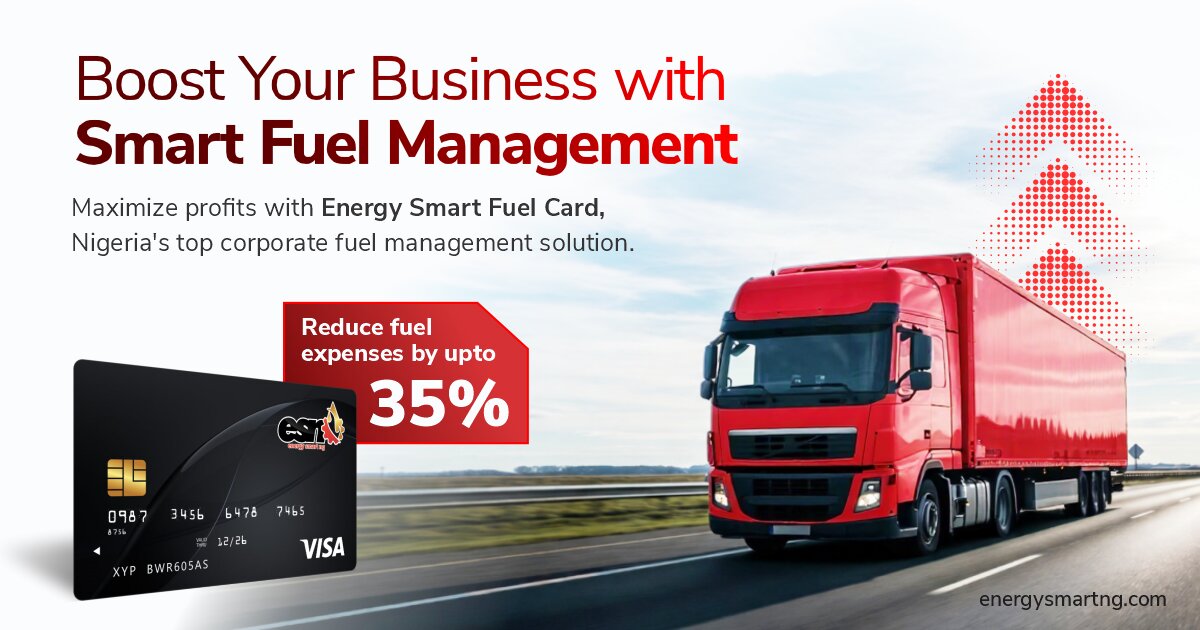
These results align with broader industry findings where smart fuel management systems have helped organizations reduce fuel costs by up to 35% through better monitoring and control mechanisms.
Key Success Drivers
The success of this transformation was driven by three core factors:
1. Real-Time Visibility
Every fuel transaction became instantly visible, allowing management to respond quickly to anomalies.
2. Fuel Discipline Enforcement
Spending controls ensured that fuel usage aligned strictly with operational needs.
3. Data-Driven Decision Making
Historical fuel data enabled smarter auditing, forecasting, budgeting, and fleet optimization.
Conclusion: Smarter Fuel Management, Stronger Business Performance
This case study demonstrates a simple but powerful truth—fuel cost reduction is not about cutting usage blindly, but about gaining control through intelligence and visibility.
With Energy Smart Fuel Card, businesses move from reactive fuel spending to a structured, data-driven system that enhances profitability and operational discipline.
For fleet operators across Nigeria, the opportunity is clear: smarter fuel management is no longer optional—it is a competitive advantage.